
Electrical Safety for Kids: What Every Family Should Know
Electricity is part of everything children do. It powers the tablet they use for homework, the microwave they heat up a snack in, and the lights they switch on when they get home from school. It’s so woven into daily life that it can be easy to forget it requires respect and care.
It’s a reason to teach.
Electrical safety for kids is one of those topics that often gets pushed to the bottom of the list, behind more visible risks like road safety or stranger awareness. But because electricity is invisible, children may not naturally recognize when something is unsafe. They don’t see danger in a dangling cord the way they would in a busy street.
The good news is that children are very capable of learning safe habits around electricity. With straightforward guidance and regular conversation, families can build an awareness that becomes second nature. This guide walks through the key areas every family should cover, and how to approach them in a way that informs without frightening.
Why electrical safety deserves its own conversation
Many safety topics come up naturally through everyday life. Electrical safety often doesn’t, until something goes wrong. Because electricity is used constantly and without incident in most homes, children can grow up with little understanding of how it actually works or what makes it dangerous.
Electricity moves fast and silently. It doesn’t give visible warning signs the way, for example, a hot stove does. That’s what makes the children safety courses so important. When children understand that electricity and water don’t mix, or why they should never put anything into an outlet, they carry that knowledge into every situation, whether a parent is nearby or not.
Staying safe with electricity indoors
The inside of a family home holds most of the electrical risks children will encounter every day. These fall into a few clear categories.
Outlets and plugs
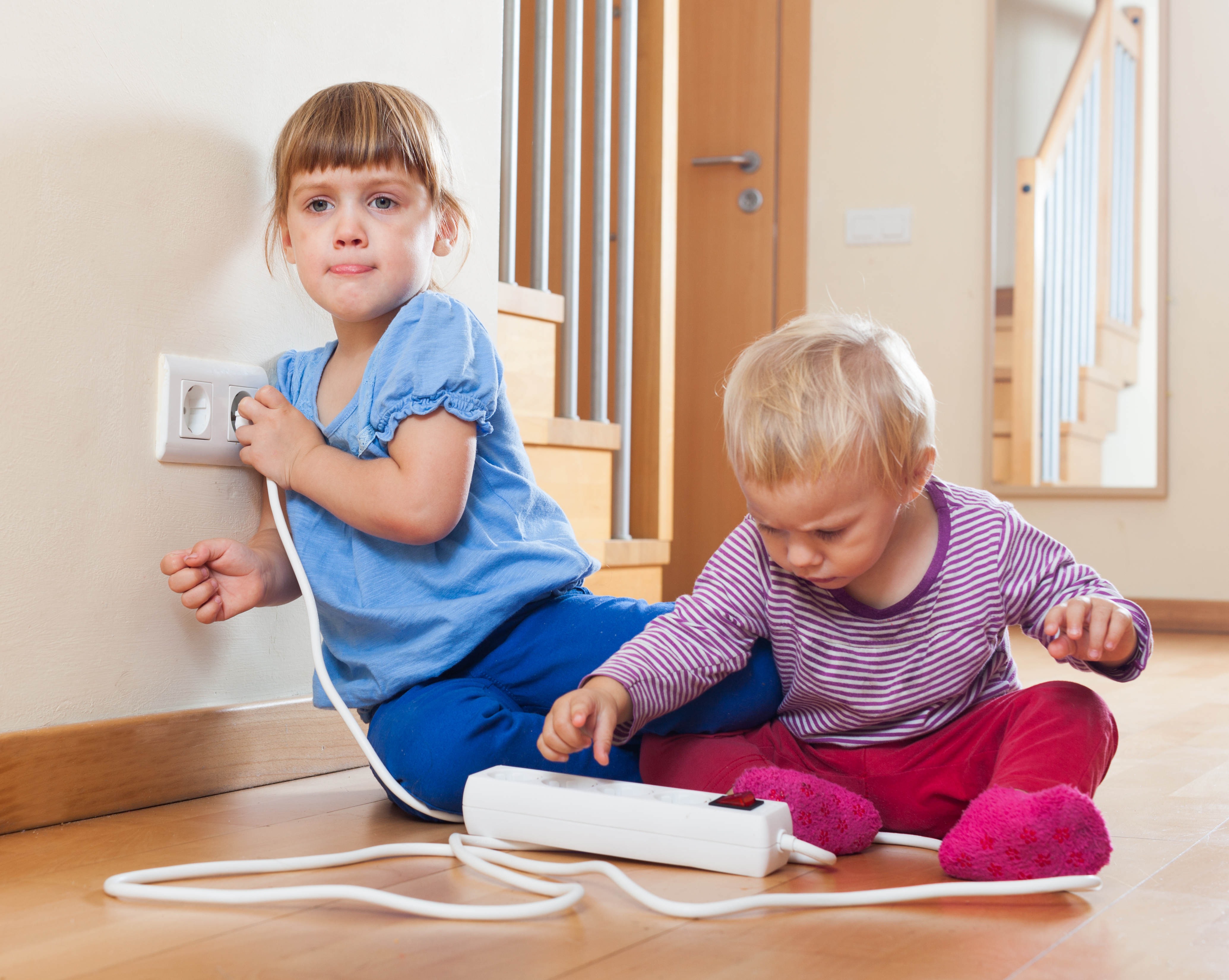
Outlets are often at children’s eye level, which makes them a natural point of curiosity for younger kids. Children should understand from an early age that outlets are not for exploring, no fingers, toys, or other objects should ever go near them.
When it comes to plugs, children should learn to unplug cords by gripping the plug itself, not by pulling the cord. Yanking a cord can damage the wiring inside over time and create a hazard that isn’t visible on the outside. Parents can demonstrate this habit early and invite older children to practise it themselves with supervision.
Homes with young children benefit from tamper-resistant outlets, which have built-in spring-loaded plates that block foreign objects while still allowing plugs to be inserted normally.
Cords and wires
Electrical cords are one of the more overlooked hazards in a home. Children should know:
- Never play with, pull, or chew on electrical cords, even when they’re unplugged
- Avoid walking across or placing things on top of cords, which can damage the insulation inside
- Tell an adult right away if they notice a cord that looks frayed, cracked, or otherwise damaged
Keeping cords tucked away behind furniture or managed with cord organizers reduces both the temptation and the tripping risk. It also helps children understand that even ordinary objects in the home deserve care.
Water and electricity
This is one of the most important things children of all ages should understand clearly: water and electricity do not mix. Water is a strong conductor of electricity, which means it can allow electrical current to pass through the body quickly.
Practically, this means:
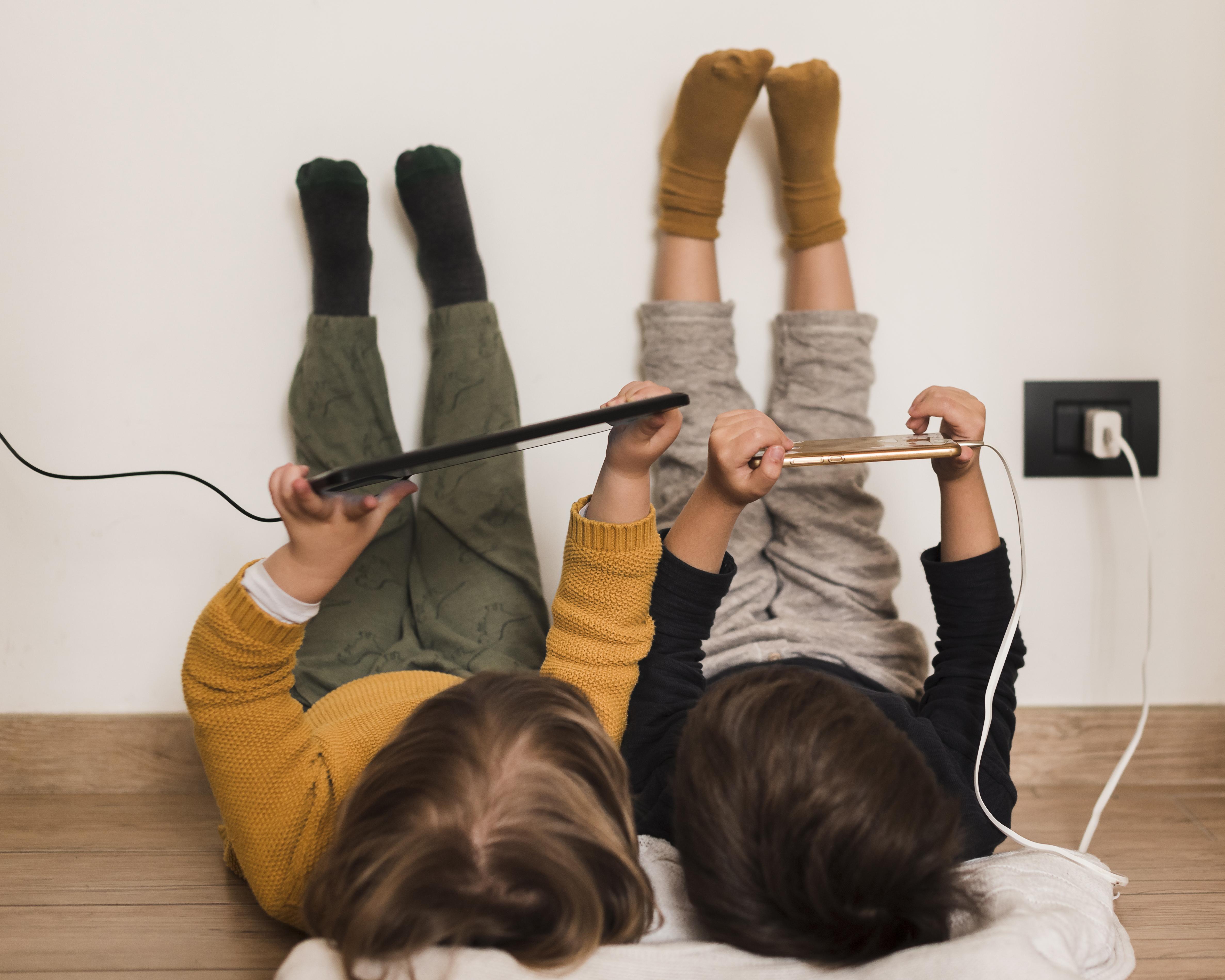
- No electrical devices, phones, speakers, chargers, hair dryers, should ever be used near sinks, bathtubs, or pools
- Children should avoid touching any switch, outlet, or appliance when their hands are wet
- Drinks and other liquids should be kept away from computers, tablets, and gaming devices
This rule applies indoors and out. A pool light that is flickering is a signal to get out of the water and get an adult. These are not situations for children to handle on their own.
Outdoor electrical safety for children
Outside the home, electrical hazards are less familiar and can catch children off guard. Power lines, utility poles, and electrical substations are features of every neighbourhood, but they’re rarely discussed.
Children should understand a few essential points about outdoor electrical safety:
- Power lines carry extremely high voltage and should never be touched with hands, tools, kites, balloons, or any other object
- Utility poles are not for climbing, and trees near power lines should be treated with the same caution
- If a power line is ever down, after a storm, for example, the area around it should be avoided completely. Children should find a trusted adult or call for help. They should never try to help someone who is in contact with a downed line.
- Electrical substations have fencing and warning signs for a reason. No child should go near one, regardless of what has ended up inside
These situations are uncommon, but when they arise, children who have heard these guidelines are far better positioned to respond calmly and correctly.
Common gaps in how families approach this topic
A few patterns tend to come up when it comes to electrical safety for kids because this topic doesn’t always feel urgent until it is.
- Assuming children already know the basics. Many children haven’t been told directly why electricity is dangerous, only that it is. When children understand the reasoning, that electricity moves quickly through the body, that water makes that movement faster, they’re more likely to take the rules seriously and apply them in new situations.
- Treating outlet covers as the whole solution. Childproofing hardware is a useful starting point for younger children, but it isn’t a substitute for teaching. As children grow and gain independence, they need awareness and judgment, not just physical barriers.
- Skipping the outdoor conversation. Indoor electrical safety tends to get more attention, but many children spend significant time outside. Neighbourhoods have power lines, construction sites, substations, and storm-related hazards. These deserve the same attention as anything inside the home.
Building good habits at home
Electrical safety tips for kids work best when they’re introduced gradually and reinforced through everyday moments. A few approaches that help:
- Walk through the home together. Point out where the outlets are, where cords are stored, and what appliances are off-limits without supervision. Children are more engaged when they can see and touch the things being discussed.
- Use everyday moments as teaching opportunities. When plugging in a device, narrate what you’re doing and why. “I’m holding the plug, not the cord, that’s the safe way to unplug something.” Small habits taught consistently stick.
- Practise the water rule. Ask children to identify which rooms in the house have water sources and which electrical items are nearby. This builds observational awareness that transfers to other environments.
These are conversations families can return to naturally over time, adding detail as children grow older and take on more independence.
Let children understand electricity
Electrical safety for children starts with simple, consistent habits: hold the plug, not the cord. Keep water away from devices. If something looks damaged, tell an adult. Stay far away from power lines.
Children who hear these messages regularly, and understand the reasons behind them, carry that awareness into every environment, whether a parent is present or not. That’s the goal of safety education: not fear, but confidence. Not rules without meaning, but understanding that leads to good judgment.
Electricity is part of daily life, and with the right foundation, children can navigate it safely.
*All Images by Freepik

