
Things to Do When Babysitting: Safe and Fun Activity Ideas
One of the most common questions new babysitters ask is: “What do I actually do with the kids?” Having childcare skills and being prepared with fun, age-appropriate activities are two different things, and both matter. The best babysitting experiences happen when children feel engaged, safe, and genuinely looked after. That doesn’t require elaborate planning or expensive supplies. It requires a little thought before the job starts and a willingness to be present and creative once it does.
This guide touches on the mindset behind great babysitting, because knowing how to read a child’s mood and respond to it is just as important as having a game plan ready.
Before the job: preparation makes a real difference
Great babysitting usually starts before the babysitter arrives at the door. Taking a few minutes to prepare, mentally and practically, sets the tone for the whole experience.
The most useful thing a babysitter can do beforehand is talk to the parent. Ask about the children’s ages and interests, any allergies or dietary restrictions, screen time rules, whether outdoor activities or outings are permitted, and whether there are any routines (like nap times or homework schedules) to keep in mind. Coming in with that information means less guessing and more confidence.
It also helps to think through a few activity options ahead of time. Knowing a handful of fun things to do while babysitting, one for if the kids are energetic, one for quieter moments, one for if weather keeps everyone inside, means there’s always a next idea ready when attention starts to drift.
A babysitter who shows up prepared, asks good questions, and follows the family’s guidelines is already doing most of what matters.
Let the child take the lead
Before pulling out a planned activity, it’s worth pausing to see what the child is drawn to. Many children will tell a babysitter exactly what they want to do, and following that lead builds connection faster than any planned game.
If a child runs to their Lego bin, join them there. If they want to show a favourite book, sit down and read it together. If they want to play a game they’ve invented, ask them to explain the rules. This kind of engaged, child-directed play communicates respect and interest, which are the foundations of trust.
For younger children especially, the quality of a babysitter’s attention matters more than the activity itself. A babysitter who is genuinely present, making eye contact, responding with curiosity, getting on the floor and playing, will be remembered fondly long after the specific activity is forgotten.
Creative and craft activities
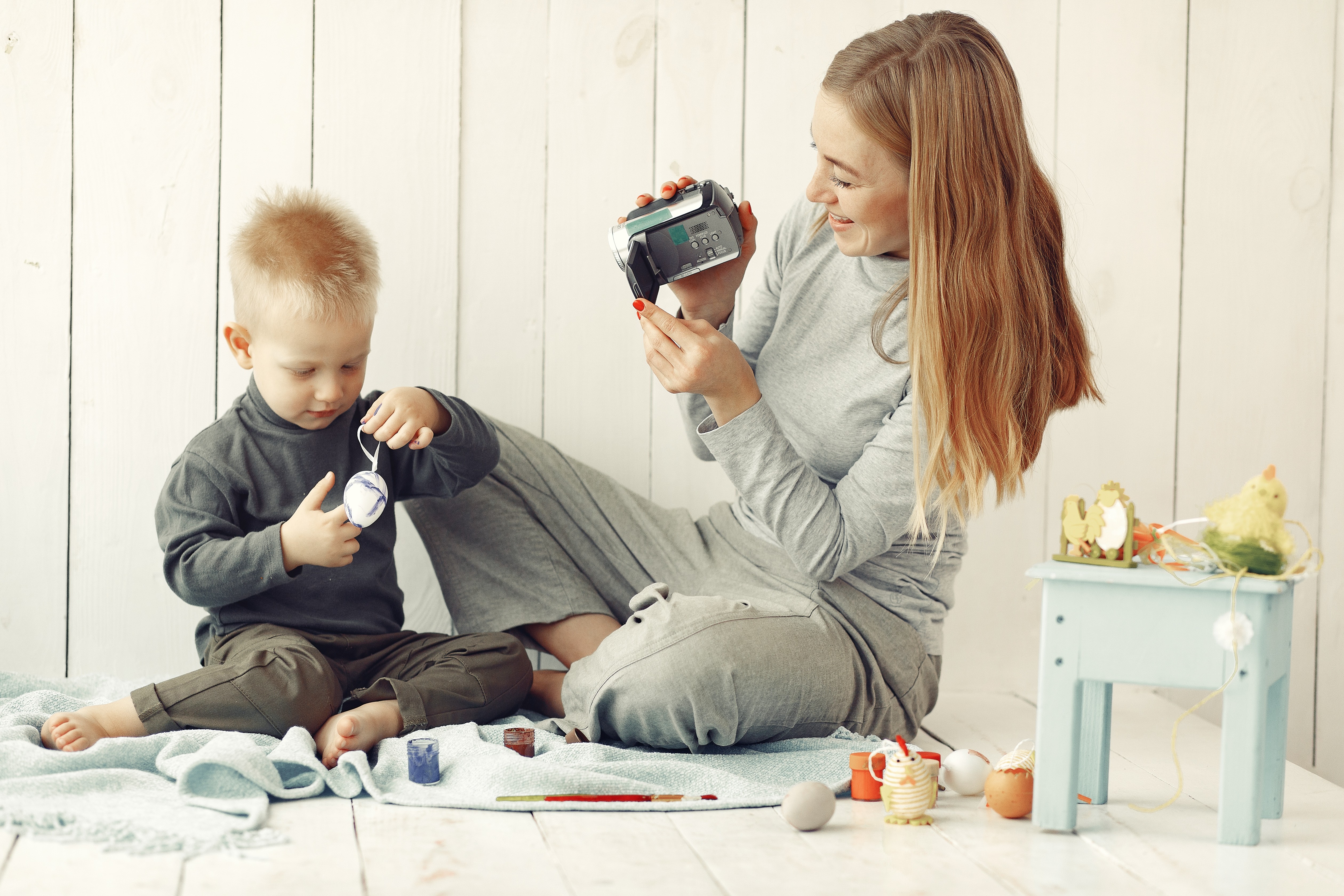
Arts and crafts are among the most reliable things to do while babysitting, particularly for children aged four and up. They’re flexible, calm, and easy to adjust based on what’s available in the home.
Some simple ideas that work well across a range of ages:
- Drawing self-portraits or making handprint art
- Creating collages from old magazines, paper scraps, and glue
- Making homemade cards for a grandparent or family member
- Designing paper animals, aeroplanes, or puppets
- Decorating plain paper bags or bookmarks
For babysitters who visit regularly, keeping a small craft kit, a few sheets of coloured paper, some crayons, googly eyes, a glue stick, makes it easy to bring a new activity without relying on what’s in the house.
Craft activities also have a natural built-in outcome: the child has something to show their parents when they get home. That small moment of pride is worth a lot.
Indoor games and imaginative play
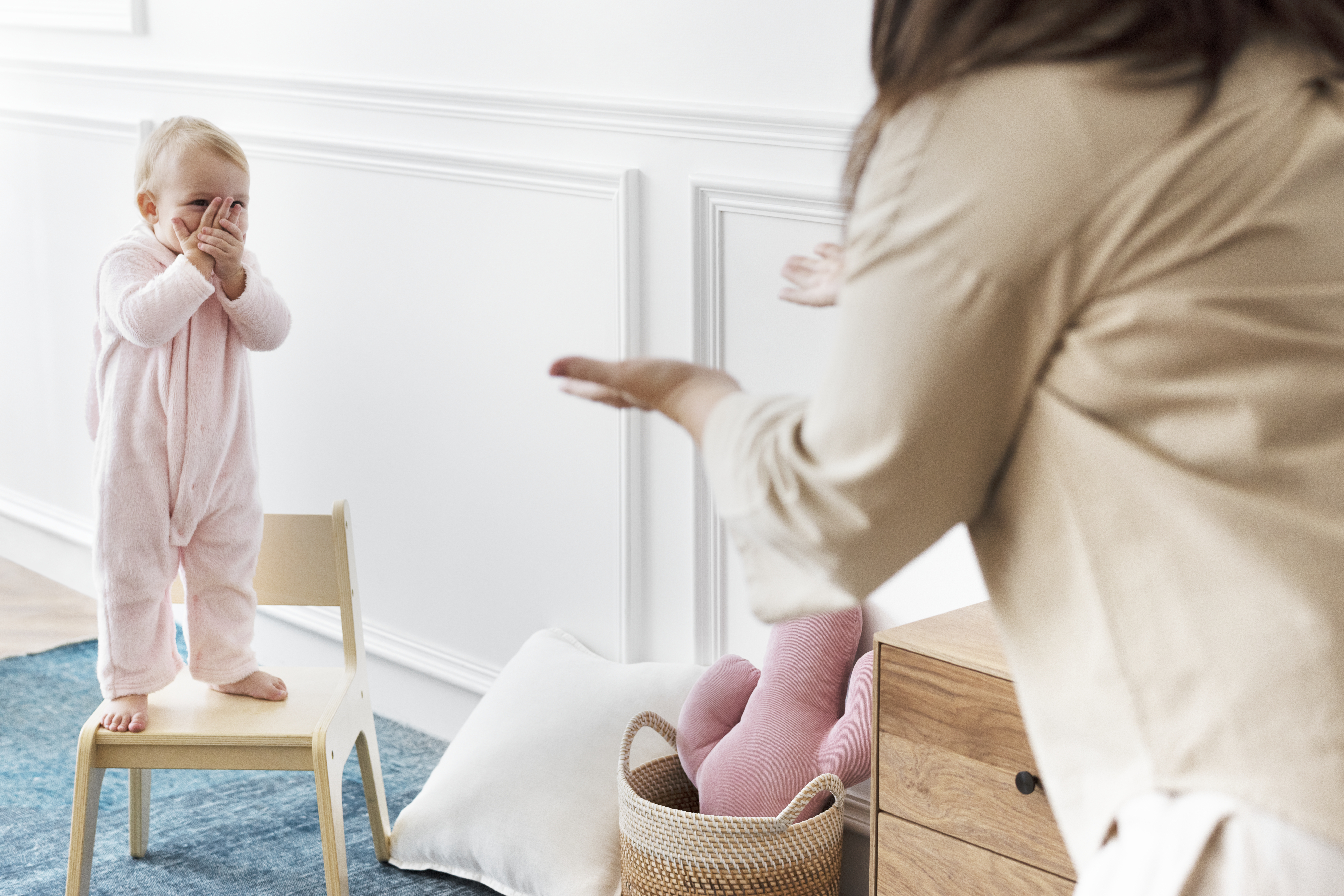
Sometimes the most memorable babysitting moments come from the simplest ideas. A blanket fort. A puppet show. A dance party in the living room. These things cost nothing and can keep children entertained for a long stretch of time.
Some fun things to do while babysitting indoors include:
- Building a pillow or blanket fort and having a story time inside it
- Playing classic games like Simon Says, hide and seek, or Freeze Dance
- Setting up a pretend scenario, a restaurant, a spaceship, a veterinary clinic
- Reading together, taking turns with pages, or making up an alternate ending to a story
- Playing board games or card games appropriate to the child’s age
Imaginative play is particularly valuable for younger children. When a babysitter participates, taking on a character, asking questions, responding to the child’s direction, it stretches language, creativity, and social skills. It also makes the time genuinely enjoyable for everyone involved.
One note on screens: always follow the parent’s guidelines. If a movie or show is permitted, choosing it together and watching alongside the children is very different from handing over a tablet to occupy them. Being present matters, even during screen time.
Outdoor activities and active play
Getting outside, even for a short while, is genuinely good for children. Fresh air and physical movement tend to settle energy levels, improve mood, and give babysitting a natural rhythm.
Always confirm with parents before taking children outdoors or to a park. Once that’s cleared, there are plenty of options:
- Sidewalk chalk art and games like hopscotch
- Blowing bubbles in the backyard
- Playing catch, kicking a ball, or setting up a simple obstacle course
- Going on a “nature walk” where children collect interesting leaves, rocks, or sticks
- Riding bikes or scooters with appropriate helmets, if parents have given the go-ahead
For outdoor activities, basic safety habits apply: sunscreen on sunny days, helmets for wheeled activities, staying within agreed boundaries, and keeping younger children within arm’s reach near streets or water. These aren’t restrictions, they’re just part of being a responsible, prepared babysitter.
Simple kitchen activities
Preparing a simple snack together is one of the more memorable things to do when babysitting older children. It involves multiple senses, requires following steps, and ends with something to eat, which makes it naturally satisfying.
Before any kitchen activity, check with parents about food allergies. For safety reasons, select no-bake options. Assembling fruit skewers, making a sandwich or a simple snack plate together are all low-effort, high-engagement activities.
Younger children can participate in kitchen activities with close supervision and age-appropriate tasks, stirring, arranging, decorating, while keeping them away from heat, sharp utensils, and appliances. The goal is participation and fun, not a perfect result.
Matching activities to age and mood
Not every activity suits every child or every moment. Part of what good babysitters learn, with practice, is how to read the situation and adjust.
A few helpful guidelines:
- Younger children (ages 3–6) do best with short, simple activities, lots of physical play, and close adult presence. Attention spans are short, so having a few ideas ready to rotate through works better than committing to one long activity.
- Children aged 7–10 can handle more sustained activities, follow multi-step instructions, and often enjoy a mix of creative, active, and game-based play.
- Older children (11+) may prefer more independence. Offering options rather than directing the activity tends to go over better. Cooperative games, creative projects, or even helping with a cooking task can feel age-appropriate without being condescending.
Mood matters too. A child who is tired or unsettled at the start of a babysitting job may need quiet, low-key activities rather than energetic ones. Picking up on that and adjusting expectations accordingly is one of the hallmarks of a thoughtful babysitter.
Safety awareness runs alongside every activity
Activity planning and safety awareness go hand in hand. Knowing what to do in an unexpected situation, a minor fall, a child who chokes on a snack, a knock at the door, is just as important as knowing how to keep children entertained.
This is one of the reasons structured babysitting training is so valuable. The Red Cross Babysitting course, offered through SOS 4 Kids, covers not just childcare skills but basic first aid, emergency response, and the judgment calls that come up in real babysitting situations. Being prepared with both activity ideas and safety skills makes a babysitter genuinely capable, and much more confident.
Ready to have fun
The best babysitting experiences happen when children feel genuinely cared for, and when a babysitter feels ready for whatever the afternoon brings. That readiness comes from a combination of good preparation, a flexible attitude, and the confidence that comes from real training.
*All Images by Freepik

